Tuesday, January 31, 2017

What RDs Do: Lisa Andrews MEd, RD, LD

LISA ANDREWS
@NUTRIGIRL
SOUND BITES NUTRITION, LLC
for something nutrishus


It's great to see that a dietitian with so many different experiences and that has worked in a variety of roles, still sees the future as an opportunity for dietitians to be involved in even more areas of practice. As you've been seeing in this series, this is a career for you if you like doing different things every day or every week. Lisa also reminds us that although we're translating science, there is also an art to the work we do.

Why did you become a RD? 

I became an RD because I was always interested in science and health when I was growing up. I am also a people person, so talking to people and helping them is just in my nature. My dad had diabetes, so I was always curious as to why his diet was modified.

What area of dietetics do you work in? 

I worked as a clinical RD for several years in acute care, nutrition support. Currently, I’m in private practice.

How would you explain what you do? 

I think I have “RD ADHD”. No day is the same for me. I see clients in an office, provide grocery store tours, do lectures or food demos for companies, freelance writing and some media work. I love the variety of work! It can be challenging to switch gears, but it is much more fun than doing the same work every day.

What are your ‘typical’ daily/weekly tasks? 

I update social media and my blog regularly. I see a handful of clients per week and write progress notes to physicians. I may do a lecture somewhere or health coaching at a company. I write at least 2-4 articles per month for Food & Health Communications and answer questions on Dietititian Central.com. I recently won a grant to have pantries placed in low income neighborhoods, so much of my time will be spent on this. Every week is different!

What has been your career path? 

I worked in acute care for 23+ years, but honestly, I had my foot out the door for at least 15 of it. I worked full time and got my Masters degree, then went part time at the VA where I was working. I taught classes at 2 universities as an adjunct and also had a community agency job part time. I did a lot of writing for free, which helped get my name out in the field. I feel like I’ve been consulting longer than 8 years because of the variety of work that I wedged into my schedule over time.


What advanced education or special training do you have? 

I have a Masters degree in Education in Nutrition. I have a certificate in training for Adult Weight Management and may go for the Certification some time in the future.

In an ideal world, what does the industry look like 5 years from now? 

I would love to see more RDs in retail and working in non-profits doing work in agriculture or sustainability. We need to get ahead of the food curve. I can see more dietitians in marketing and writing.

What misinformation about RDs would you like to clear up? 

I wish people didn’t think RDs were militant about their diets. If we didn’t like food, we wouldn’t be in the field! We eat healthy most of the time, but also might love wine and chocolate.

What would you like people to know about RDs? 

I’d like people to know we are highly intelligent and work hard. We deserve more opportunities in health care and other arenas that we are not currently offered (i.e. medical sales, health education or training in hospitals, marketing of food products for companies). It always bothered me that nurses were considered for promotions or management jobs, but RDs were not.

What are challenges you encounter as a RD? 

Biggest challenge is competing with non-RDs. It seems that everyone that eats thinks they are a nutrition expert! There are too many hacks out there that claim they are nutrition experts.

What do people think that you do for a living? 

People think I counsel patients on diets all day long.

What are you passionate about in dietetics? 

I am passionate about how RDs and food experts can change a person’s life through better diet. I like how creative I get to be in this field.

What makes RDs unique/different from other nutrition/wellness professionals? 

I think RDs have more training in clinical care than wellness professionals. We know in depth about disease and personalize our recommendations to people. We also know more about cooking and research. I call RDs the “Real Deal” in Nutrition!

What is your favourite meal? 

My favorite meal is a Thai peanut noodle dish I make with chicken. I love anything with ginger in it!

What tip(s) would you give to our readers? 

Never underestimate the value of volunteering, networking and mentoring. I believe it’s vital that people stay connected and give back to others (whether this is to a student or colleague). What comes around, goes around. Never burn any bridges. The world is a small place.

Anything else you’d like to add that you feel would be valuable: 

Check out my blog: www.soundbitesnutrition.com

More about Lisa:

Twitter: @nutrigirl 
Instagram: nutrigirl66 

Thanks Lisa! Find out more about What RDsDo.

If you're a dietitian that would like to be featured, email me for the details!

Tuesday, January 24, 2017

What RDs Do: Maree Ferguson AdvAPD, RD, FAND, MBA, PhD

MAREE FERGUSON
DIETITIAN CONNECTION
for something nutrishus


Now that we've had one Aussie, it's time for another! As you can see, she has earned many different credentials in her career. Not only have we seen dietitians aiming to inspire the public, but if you've been following the series, you've seen dietitians like Maree that are aiming to inspire and support other dietitians. She has a very unique and important passion and is doing great work for our profession. Before I knew of Maree, I was aware of the #dietitiansunite campaign as I'm working with our Dietitians of Canada brand leadership team on similar initiatives. We need more people like Maree, plus she also added a new title to the list of books I want to read!

Why did you become a RD? 

I’ve been a dietitian for 21 years now. I had an amazing home economics teacher at high school who taught me about nutrition – both the science and the practical food aspects. This is what led me to pursue a career in dietetics.

What has been your career path? 

I have worked in a few areas over my career. After completing my PhD developing the malnutrition screening tool (now used around the world), I worked in Research & Development and then Marketing (after obtaining my MBA) for a nutrition company in the United States for 8 years. I then moved back to Brisbane, Australia, to take up a management position in a large hospital as Director of Nutrition and Dietetics with more than 30 dietetic staff. I now work in a rather unique role as the founder and director of my own business Dietitian Connection. 

What advanced education or special training do you have? 

I have a MBA and PhD

What area of dietetics do you work in?

Self-employed, nutrition communications/consulting; industry 

How would you explain what you do? 

Dietitian Connection is an online business, which provides professional development resources, webinars, podcasts, the latest news and research, and events for dietitians who reside in Australia and even those across the globe. We are a small team who aim to inspire and empower dietitians to realize their dreams. And have more than 5,000 members worldwide.

What are your ‘typical’ daily/weekly tasks? 

Each day and week is completely different for me, which is why I love my job. Some tasks include hosting events, webinars and podcasts, meeting with my team, responding to email, chatting with corporate clients, planning future activities, and delivering workshop presentations.

In an ideal world, what does the industry look like 5 years from now? 

It would be great to see dietitians expanding into novel job opportunities such as personalized medicine, and innovative online businesses.

What are you passionate about in dietetics? 

Through my work, I connect with thousands of dietitians and what I was hearing was that many dietitians in Australia didn’t have a job. Many were under-employed or underpaid. And others simply can’t make a living. I became aware of this earlier this year. To say I was shocked to the core is an understatement. 

We know what a dietitian is, and does. But I am concerned that the public has little idea what that title means – and the value we can deliver. Frustratingly, the public is also getting nutrition advice from non-qualified experts. I could no longer sit on the sidelines and do nothing and hence started the #dietitiansunite campaign. 

The crowdfunding campaign was designed for dietitians to contribute funds, which will be used to execute a national awareness campaign to educate consumers on what a dietitian does, and the benefits we deliver.

What is your favourite meal? 

Being a typical Aussie (Australian), a roast lamb dinner.

What tip(s) would you give to our readers? 

The most favorite piece of advice I have received recently was to watch one of Dr Brené Brown’s videos: Why Your Critics Aren’t The Ones Who Count I have since read some of her books including Daring Greatly where she shares her research on vulnerability. I highly recommend checking out Dr Brown’s work. We need to have the courage to step into the arena and manage our inner critic.

More about Maree:

Twitter: @DNconnection


Thanks Maree! Find out more about What RDsDo.

If you're a dietitian that would like to be featured, email me for the details!

Tuesday, January 17, 2017

What RDs Do: Maya McColm, APD, AN

MAYA MCCOLM
CEO NERO, ENTREPRENEUR
for something nutrishus 


I'm excited to feature Maya for many reasons, one being that she's the first Australian in the series (which I know she was excited about too), hence her APD (Accredited Practicing Dietitian) credential. As we start to have more dietitians from around the world, we're reminded of the similar challenges we face and the need to support each other so we can support the public with individualized healthy eating advice. I also like that she included more than just the food when I asked what her favourite meal is.

Why did you become a RD? 

As an Australian dietitian, we are “Accredited” and not “Registered”. The issue of registration has been a greatly debated topic amongst Dietitians in Australia. I became a Dietitian because I believe it to be a very honorable and respected profession that can make a significant positive difference in people’s lives.

What area of dietetics do you work in? 

I currently work in private practice, but with a significant entrepreneurial bent. I have developed a web-based technology platform called NERO (Nutrition Education Resources Online), which supports Dietitians to be more effective and efficient during their consultation process using visual education resources and flipped classroom education methodology.

How would you explain what you do? 

As the CEO for NERO, my main task is to fine tune NERO so that it is a great tool for all Dietitians to support their practice and their clients. We have only just launched the first prototype and much work is required to fine-tune NERO to make it easier for Dietitians to use.

What are your ‘typical’ daily/weekly tasks? 

As the CEO for NERO, my work is outside a Dietitian’s usual scope of practice. It mostly includes communicating with web-designers and stakeholders. Many hours are spent in giving talks to Dietetic students at universities, manning stalls and talking at conferences. Running a private practice provides me a great opportunity to test NERO in a true practice setting.

What has been your career path? 

I have been a Dietitian Nutritionist for more than 30 years and during that time I have worked in many professional settings such as: clinical hospital dietetics and a couple of those hospital placements as the department director. I have also worked as a research dietitian with the Queensland Institute of Medical Research (QIMR) and in private practice for the last 15 or so years which included my involvement with NERO. I developed NERO in response to seeing a need within the profession that makes us look more professional and be more effective and efficient.

What advanced education or special training do you have? 

As required to maintain Accreditation as an Australian Dietitian, I have undertaken the required professional development activities. With the development of NERO there has also been the required steep learning curve in many business and technology related subjects.

In an ideal world, what does the industry look like 5 years from now? 

Sadly, I believe that there are many factors that have been eroding the profession’s position as the leaders in the nutrition industry. These factors include: 1) rapid technology changes, 2) large number of graduating dietetic students, descending on a 3) dietetic profession which is being challenged by celebrities and non professional interlopers disseminating non evidence based nutrition information. 

This is not only a threat to the profession, but also a threat to the health of the population and a threat to common sense. I believe that within the next 5 years we will unite as a profession and support each other to become the respected and valued leaders in all areas of the nutrition industry including clinical (hospital and research), industry, community, government policy making and media.

I believe that Dietitians, Accredited and Registered are incredibly educated and passionate about their profession and their clients. This passion and skill should be harnessed and supported to enable them to take big leaps with courage and conviction within our scope of practice. I also believe that Dietitians should be remunerated in line with their skills and high level of academic training.

What misinformation about RDs would you like to clear up? 

There are two important areas that I believe the public is misinformed about Dietitians and what we do and these areas include: 1) Dietitians are NOT the food police, and 2) “weight loss” and “dieting” is not our main focus, but “healthy eating designed for the individual” and then healthy weight changes looks after themselves.

What would you like people to know about RDs? 

Accredited Dietitians are extremely well trained in providing personalized nutritional advice and support based on scientific evidence and not fads and quick fixes that aren’t in the interests of the clients’ long term health objectives.

What are challenges you encounter as a RD? 

The biggest challenge I face as an Accredited Dietitian with many years of experience is seeing the same diet fads raising their ugly heads over and over again and the gullible public repeatedly falling for them. The marketing goal would be to make long term healthy eating a desirable and sexy message that becomes the “fad” that is guided by evidence based research.

What is your favourite meal? 

A meal that contains fresh quality ingredients, with simple flavours, balanced with a glass of great wine, in good company in a beautiful setting. A meal should not just be a group of nutrients, but an example of edible art.

What tip(s) would you give to our readers? 

Be courageous in following your dreams and supportive of your colleagues in the interest of your profession.

Anything else you’d like to add that you feel would be valuable: 

Just a thank you for the opportunity to connect with my American (*and Canadian) colleagues.

More about Maya:

Website: nero
Blog: nero blog
Facebook: NERO Nutrition Education Resources Online
Instagram: @nero_nutrition


Thanks Maya! Find out more about What RDsDo.

If you're a dietitian that would like to be featured, email me for the details!

Tuesday, January 10, 2017

What RDs Do: Michelle Katz MS, RD, LD, CDE

MICHELLE KATZ
MNT IN DIABETES
for something nutrishus


Michelle shows us once again the diversity in the dietetics profession.  She works with groups/classes, one-on-one with individuals and takes part in clinical trials, thus requiring and possessing a variety of skills. Her optimism for the future is great and it's truly exciting to be part of a field that is changing and growing in so many different areas (yay science!). Her concern about misinformation is one I'm sure we all share as we support our patients/clients in the pursuit of health and an enjoyable life, which she reminds us takes commitment.

Why did you become a RD?

Since I was in my young teens I always had an interest in food. My mom used to cook all meals at home. We hardly ate at restaurants and I use to help her looking for healthier recipes. My dad had hyperlipidemia, hypertension and heart disease so we were always watching for his food choices. Once I graduated high school I knew I wanted to help people, I wanted to stay in the science /health/ medical area. I explored the different options that University of Costa Rica was offering at that time and Licensed in Nutrition was calling my name.

What area of dietetics do you work in?


Currently I'm working providing medical nutrition therapy (MNT), specialized in diabetes.

How would you explain what you do?

  • I provide diabetes education to patients with type1 diabetes, type 2 diabetes and gestational diabetes. I also help coordinating clinical trials in diabetes.
  • I teach classes for diabetics once a month using the “learning maps” concept sponsored by Merck.
  • I provide private nutrition consultation to families and individuals for weight loss and healthy eating in general.

What are your ‘typical’ daily/weekly tasks?

  • Provide nutrition counseling to patients with diabetes.
  • Counseling patients on insulin administration, monitoring blood sugars and any need for training in devices like pumps, continuous blood sugar monitoring (CGM), Vgo among others.
  • Coordinate clinical trials – screening patients for studies and follow them up during the different studies we currently have.

What has been your career path?


My career path is definitely a ladder. There are so many opportunities in the world of diabetes. Always new devices, new medications, new types of insulin, artificial pancreas, etc. It is a constant change and is growing all the time.

What advanced education or special training do you have?

I have a Master’s degree in Nutrition and I am a Certified Diabetes Educator.

In an ideal world, what does the industry look like 5 years from now?

I think we can expect many opportunities coming up in the next 5 years in the industry, but we need to work hard and show the industry all the many areas we can help and make a change in the patient life and health as dietitians.

What misinformation about RDs would you like to clear up?


People often get confused with nutritionist and RDs. It’s important to clear up that dietitians are committed to evidence-based practice. This means that when we make a recommendation it is based on the best available scientific evidence. Dietitians translate the science into practical information you can use to improve your health.

What would you like people to know about RDs?

I would like people to know that RDs are university trained, regulated health professionals who use several educational tools and research to make sure their advice is based on the best available information.

What are challenges you encounter as a RD?

Main challenges I encountered are all the nutrition advice we see online or in the media. Many recommendations are not based on scientific evidence.

Lots of advertising trying to sell the “quick fix” like fast weight loss, lower cholesterol and blood sugars with supplements among others. But if it sounds too good to be true, then it likely is. Making lifestyle changes is a commitment to eating well and exercising regularly.

What do people think that you do for a living?

If you ask my 12-year-old daughter she will say I teach people how to eat better.

Other people might think that we “make diets” or we help people lose weight.

What are you passionate about in dietetics?

I am passionate about helping others and making a difference in people’s life, Every time patients returned to my office and their blood sugars improved, their weight is down, they feel better, their babies are born healthy - I just can’t explain the feeling of satisfaction. It’s just hard to describe the great feeling of helping others and seeing results of hard work and dedication from the patient end.

What makes RDs unique/different from other nutrition/wellness professionals?

Like I mentioned above, we are university trained professionals that used scientific evidence in a very creative way to translate into practical recommendations to manage and improve your health. The title dietitian is protected by law.

What is your favourite meal?

Fresh salads, sweet potatoes, vegetables and dark chocolate :)

What tip(s) would you give to our readers?

I just say to please, please don’t believe everything you read. Do your research.

One single study is not enough to make a claim. Were the studies done in humans or animals? What are the person’s qualifications? Dig a little deeper before you make a change. One study or theory is not enough to change our advice.

And last but not least: Eat a variety of foods including vegetables, fruits, dairy, legumes, nuts and fish, portion control, and the right balance of meals and exercise every day.

More about Michelle:

Email: Katzdfw@sbcglobal.net
Facebook: Michelle Lechtman-Katz


Thanks Michelle! Find out more about What RDsDo.

If you're a dietitian that would like to be featured, email me for the details!

Tuesday, January 3, 2017

What RDs Do: Andy De Santis RD, MPH

ANDY DE SANTIS
“ANDY THE RD”
for something nutrishus


I know of Andy because he's active online and I like to see male representation in our profession, so he stands out amongst the females. He has a great blog and loves bananas! He's still building his practice but is passionate about what he does, so I'm sure he has a great career ahead of him. I love his comment below regarding challenges we encounter as I've had similar thoughts of 'annual check-ups'.

Why did you become a RD?

I was the cliché unhealthy teenager who was able to use healthy eating to get my life back on track. By the age of around 18/19 I knew that I wanted a career where I was able to help others in the same way that I was able to help my self and dietetics was pretty much the only thing on my mind.

What area of dietetics do you work in?

I have a master’s degree in public health and I used to work in public health (Canadian Diabetes Association) but moved into freelance/private-practice work. Currently I operate a general private practice three days a week and I am also a writer on the side for a web platform. I write articles on healthy living but also completely non-food related topics (home-renovation related). It helps support my private practice as it grows, which takes time. I am also a nutrition-blogger and I spread the message of health through my very active blog, which I hope you all will subscribe to!

How would you explain what you do?

Simply put, people come to see me with a goal in mind and I do everything I can to help them reach that goal. Because I work in private practice, those who come to see me are highly motivated to change and really a pleasure to work with.

What are your ‘typical’ daily/weekly tasks?


I am either seeing clients, writing articles for myself for my freelance work, or putting in social media time (YouTube, Twitter, Instagram and soon to be Facebook). I am also starting to break in to workplace wellness, presenting to the staff of large companies across the city.

What has been your career path?

Like I said earlier, I’ve completed my master’s degree in public health and went to work in public health before moving on to this current career of private practice and freelancing.

What advanced education or special training do you have?

I have a master’s degree in public health nutrition.

In an ideal world, what does the industry look like 5 years from now?

I would like the dietetic profession to be much more well respected. It means something to be a dietitian and it is not easy to become one, so I do not want anyone out there thinking there are other people who can do our job as good as we can. I would like to see more and more insurance coverage for dietitians, so that finances are less of a barrier for people to come and see us and of course I want the public to know we exist and know what we can do for them.

What misinformation about RDs would you like to clear up?


Any sort of notion that we are glorified personal trainers or that our main area of expertise is providing “diet plans”. Would also like to stop hearing the word “nutritionist”.

What would you like people to know about RDs?

I would like them to know that with only a modest amount of time together and a modest expense, we can help revolutionize the way they see and think about their food and heath.

What are challenges you encounter as a RD?


I would love dietitian’s to be seen more as dentists. Just like you go to clean your teeth, you come to us to clean your diet. That would also mean that most people would have as comprehensive insurance coverage for us as they would for a dentist, that would help a ton!

What are you passionate about in dietetics?


Helping people live longer and healthier lives is a very big motivation for me. There are so many people out there working hard and doing amazing things for themselves and their families, it pains me to see they don’t take that extra bit of time to eat smart and take care of themselves.

What makes RDs unique/different from other nutrition/wellness professionals?

I actually wrote an article on this topic for my blog and I believe the one thing that really sets us apart is our ability to connect and build rapport with people. The nature of our practice means we get to spend more time with our clients than other health care practitioners (generally speaking) and I think that is conducive to building strong and meaningful interactions.

What is your favourite meal?

That is a tough one. Probably breakfast, I eat bananas and either avocados or sunflower seeds for breakfast every day. I am not a vegan, but I am proud to enjoy a vegan meal once a day.

More about Andy:

Facebook: Andy De Santis - Registered Dietitian
Instagram: @AndyTheRD
Twitter: @AndyThaRD
Youtube: Dudes Talk Nutrition
Blog: Andytherd.com/blog
Website: Andytherd.com


Thanks Andy! Find out more about What RDsDo.

If you're a dietitian that would like to be featured, email me for the details!

Tuesday, December 27, 2016

What RDs Do: Caroline Roessler MS, RDN, LD

CAROLINE ROESSLER 
IN-STORE NUTRITIONIST 
MARTIN'S FOOD MARKET
for something nutrishus

It's great to feature a retail dietitian in the series. I feel like this type of position is becoming more common as we even have a few in my home province now (and we're usually late adopters). It makes so much sense for us to be in the environment where people make decisions about food and perhaps face confusion or try to sort through the misinformation they hear on-line or pretty much anywhere. Caroline loves her job and is passionate about empowering individuals to make positive lifestyle changes that work for them. 

Why did you become a RD? 

I grew up in a Greek and German family where food = love! Besides my love affair with good food, I have always been fascinated with the concept of preventative health, and how the foods we eat can not only prevent many chronic diseases but enhance our quality of life.

What area of dietetics do you work in? 

I am a retail dietitian in a MARTIN’S Food Market located in Richmond, VA.

How would you explain what you do? 

I educate and empower individuals to live a balanced and healthy lifestyle. My personal approach is to promote a positive relationship with food for my clients by using the “all foods fit” mentality, and by meeting people where they are. I love that I can take my clients into the aisles to introduce them to new foods and practice reading labels during a consultation.

What are your ‘typical’ daily/weekly tasks?
 

I love that my job has no “typical” day! My weeks consist mostly of one-on-one nutrition consultations, during which time I can take clients around the store and we can discover and sample products that may be better choices. I also offer monthly classes and store tours, an associate wellness program, as well as participate in community events such as school career days and talks geared towards specific audiences at local fitness clubs, offices or community centers.

What has been your career path? 

I graduated with a Bachelor’s in Psychology from Ohio State University, and continued on to do a combined Master’s and dietetic internship at Kent State University during which time I did a one-week elective rotation with a dietitian at a local supermarket. After I passed my registration exam, I gained experience as an instructor at my alma mater, then as a home health care dietitian, but remained drawn to retail dietetics and eventually moved to Virginia from Ohio when I saw the opening for my current position. I love it!

What advanced education or special training do you have? 

I have a Master’s in Nutrition and Dietetics.

In an ideal world, what does the industry look like 5 years from now? 

I would love to see RD’s with a more pivotal role in health care, and of course with more services covered so that the general population can benefit from our services. Specific to retail dietetics, I believe that the role is growing and a job such as mine will become more common in the future. There are so many benefits that a dietitian can bring to supermarkets, from impacting customer loyalty to increasing sales.

What would you like people to know about RDs? 

My favorite saying around the store is “RD’s are people, too!” My clients often ask if I always eat “healthy”. I tell them that I love things like pizza and ice cream just like the rest of us, but try to choose better options less often, like a homemade pizza with grilled chicken and lots of veggies, or a slow churned ice cream with dark chocolate, nuts and berries.

What is your favourite meal? 

It changes all the time, I love seasonal produce so right now some roasted butternut squash with pine nuts and rosemary, baked salmon and Greek style green beans sounds good!

What tip(s) would you give to our readers? 

Follow your heart! Especially for dietitians who are drawn to community nutrition, don’t feel like you have to go into clinical. If you are ambitious and passionate about what you do, you can find (or make!) the right job for you.

More about Caroline:

Email: CaRoesslerRDN@gmail.com
Linkedin: Caroline Roessler, MS, RDN, LD


Thanks Caroline! Find out more about What RDsDo.

If you're a dietitian that would like to be featured, email me for the details!
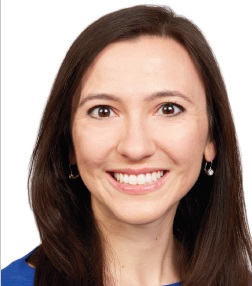
Tuesday, December 20, 2016

What RDs Do: Katie Proctor, MBA, RDN

KATIE PROCTOR
HEALTHY LIFESTYLE & BUSINESS COACH
 ELEVATE WITH KATIE
for something nutrishus


I 'know' Katie from a few facebook groups and you'll see below that makes sense! It's always great to learn about the journeys and unique backgrounds that lead dietitians to do what they do. Our jobs evolve and it's exciting to see all the different skills we have. Katie has done and is doing many things. I've been learning about running a business, marketing, etc. along the way the last 6 years, so I can appreciate where she's coming from, plus I know we'd enjoy sitting down to a meal together!

Why did you become an RD? 

I was one of those people who had 7 majors while I was an undergrad because truthfully I didn’t know what I wanted to do nor did I understand all of the opportunities out there. I don’t really have a glamorous “why” except for that I had been interested in food since high school and decided nutrition would be a great alternate career path when I decided med school wasn’t for me.

What area of dietetics do you work in? 

I have my own health coaching business and with my marketing and brand management background I also am a business coach for health, food and fitness entrepreneurs.

How would you explain what you do? 

On the nutrition side, I run monthly health and fitness-related online accountability groups to help busy women put themselves back on their to-do list.

On the business side, I work 1:1 with entrepreneurs who are looking to take their businesses to the next level. Each session is dictated by the individual’s needs, but some topics I address are finding a niche, content strategy/visibility, productivity/systems, creating an offer (what it is, how to price, how to deliver to target audience) and marketing strategy.

What are your ‘typical’ daily/weekly tasks? 

For my health coaching clients, I post daily motivation in our app and encourage them to “check in” daily with their workouts and healthy meals. I also spend a lot of time on social media whether it’s managing my own Facebook groups, connecting with current and potential clients and engaging in other relevant Facebook groups. I write blog posts for my own site and guest posts on others and prepare for my 1:1 business coaching client sessions by hosting free discovery calls, reviewing client welcome packets, hosting our sessions and following up with action steps. I should also add that I have a part-time freelance role helping two well-known food bloggers launch a new membership site. I love what I do because no day is ever the same!

What has been your career path? 

From day one as an RD, I’ve been obsessed with business and marketing. I spent a lot of time as a student getting to know entrepreneurial RD’s I admired and believe those connections paid off heavily when I entered the profession. I was one of the co-founders of All Access Internships, a dietetic internship resource and coaching platform for students looking to stand out during the application process, when I was a junior in college and still actively coach students today.

After I graduated from my DI at Vanderbilt, I became an Account Executive at a well-known PR agency working on consumer and B2B (business-to-business) integrated marketing campaigns for food clients across the country. From there, I moved into digital marketing for the organic and natural division of General Mills where I managed all of the consumer touchpoints including social media, email, website and even copywriting for packaging. Most recently, I was the brand manager for a smaller organic food company and really got to hone my product development and traditional marketing skills that were more operations, sales and price promotion focused. I am so grateful for all of my experiences that lead me to where I am today. I worked my coaching business “on the side” for about a year when I decided I was finally ready to leave my full-time job and pursue my entrepreneurial endeavors full-time!

What advanced education or special training do you have? 

I have an MBA and have also taken many online business training courses from Marie Forleo, Amy Porterfield and other high profile online entrepreneurs outside of our industry to learn the ins and outs of list building, sales funnels, offer creation and more.

In an ideal world, what does the industry look like 5 years from now? 

I would love for business curriculum to be more commonplace in our undergraduate and graduate training and not just the information that serves more traditional roles such as foodservice or dietary management.

What do people think that you do for a living? 

I’m pretty sure my husband thinks I am a professional Facebooker ;).

What are you passionate about in dietetics? 

I am passionate about helping other RD’s promote their services to more people online and not be afraid of selling. 

What is your favourite meal? 

Curry of any kind.

What tip(s) would you give to our readers? 

Make connections with people both inside and outside our industry whose career paths you admire. I had so many mentors help me along the way and I am always willing to give back to others because of this. Sure, some people may so no or not respond but you never know unless you ask.

More about Katie:

Website: www.elevatewithkatie.com
Email: elevatewithkatie@gmail.com
Instagram: @elevatewithkatie

*If you are an entrepreneurial RD, join my private Elevate Your Business Facebook group where we talk about all things biz and branding.


Thanks Katie! Find out more about What RDsDo.

If you're a dietitian that would like to be featured, email me for the details!