Showing posts with label community. Show all posts

Tuesday, November 7, 2017

What RDs Do: Sabrina Bovee, RD

SABRINA BOVEE
CARE HOME MANAGER 
& SENIOR ADVOCATE
for something nutrishus


I know Sabrina from my undergrad years, although we haven't stayed in touch; earlier this year she appeared in the post Where are they now - a special feature on my dietetics classmates. I've been aware of her passion for aging with dignity and elegance and am always happy to share non-traditional roles. I'm sure you'll see her dedication shine through her responses. 

Why did you become a RD?

I grew up with European immigrant parents who highly valued nutritious foods. Although I had sometimes wished my parents would send me with the wonder bread and cheese whiz and fruit roll-ups that my class-mates had, instead I was sent with rye bread and European deli meat sandwiches with fresh fruit. I can now appreciate how it instilled a love for good tasting healthy food.

What area of dietetics do you work in?

I am currently working as a manager of a 15 resident (and 1 respite bed) long-term care (LTC) home. So, I am in a non-traditional dietitian role. However, I am able to lead our 8 department team in excellent dining enhancement initiatives and potentially help flag resident nutrition concerns sooner than the monthly or every other month visit by the consulting clinical dietitian. I accepted this role with the desire to work towards improved life for seniors, and from a nutrition perspective, I want to prevent malnutrition and improve the food culture for our residents and communities. I found that with the regular nutrition assessments there were, at times, barriers to follow-through, or that when residents presented with what seemed like a lack of appetite solely based on a bad dining experience I could not change that with my recommendations. I thought that if the root cause was a poor life environment (unfriendly staff, lack-luster dining room etc.) no care-plan that I would create would really get down to the root cause of the problem. I was also not the one in charge of the “b” word- budget.

I began this new role a year ago, and since that time, one exciting initiative that we have started is a hydroponic indoor garden. Saskatchewan has a short gardening season so we have been fortunate to receive a donation of a 5 foot tall indoor garden unit that we will utilize to grow greens, herbs, strawberries and any other produce or plants that our residents feel like growing. We are able to allow our residents to give back (personal growth) via the nurturing and caring of these plants, as well as we are fostering partnerships with the school students who will be able to bring their science students over to learn about pollination (remember- there are no bees to do this for us in the care-home). Additionally, we will have a better variety of options for our menu, potentially the ability to sell produce to our staff and community and to raise money for the resident council. Lastly, we will be potentially reducing our food costs so that we can help to balance our over-all budgets and create a long-term sustainable health care system.

How would you explain what you do? What are your ‘typical’ daily/weekly tasks?

I am a part-time manager and I manage 8 departments: laundry, housekeeping, food and nutrition staff (cooks), nurses, care-aids, recreation and maintenance. With approximately 50 staff in my portfolio, human resources- recruiting and retaining staff along with labor relation concerns and ministry mandated projects including safe transfers, hand hygiene, etc. take up the bulk of my time (and more!)

However, I have carved out time to work on building an engaged team and a vision for our community health center. I believe that only when staff feel valued, cared-for will they be able to work towards greater improvements for the residents. We have had organizational and learning events and I have taken a baseline survey, a few months into my position, to measure improvements in morale, support from myself team work. We are seeing significant improvements and measurements such as an 8/10 for happiness by most respondents, show our readiness to move into other important areas of change. Beyond the staff, and the most important area is creating a person-centered care-home. Since I began, we have been dedicated to regular resident council meetings. Residents and their families meet to discuss and plan on all areas related the care-home. Menu and food choices are often at the fore-front. Recently, we have changed the “cooks choice” on the menu to “resident choice” and we have gathered a variety of menu ideas to further our personalized menu to meet our dynamic resident needs.

What has been your career path?

I started my career in community dietetics- with a focus on diabetes management and weight management. Then I moved into long-term care and worked providing education to care-home staff, as well as individualized nutrition care-plans for residents.

On the side via The Grazing Goose, I have given some mindful eating workshops on my farm (we raise pasture-raised poultry, heritage pigs, and grass-fed beef; a whole other area of my life that I could speak to). Our future plan for the farm is on-farm stays so while only locals can purchase our products anyone traveling down the number one highway in the next couple years will be able to have the opportunity to vacation on our farm!

In the past 3 years I’ve also have the privilege of giving some public presentations to dietitians in Ontario (Gerontology network) and in British Columbia for dining enhancement work their multidisciplinary team is doing.

What advanced education or special training do you have?

I don’t have any specialized management training. My main strategy for success and survival (some days such as a lay off or termination notice days are awful) has been to pick good mentors. I have one dedicated mentor that I connect with, even for 30 minutes every few months. I also surround myself with positive, individuals that support me and believe in the work that I am doing. Many of these individuals are not health care professionals. However, they have a vested interested (as do we all!) in changing the culture of aging.

In an ideal world, what does the industry look like 5 years from now?

In an ideal world, in 5 years from now, we will have solved all the underlying causes that lead to poor dining experiences for seniors. For example, staff will be happy, healthy, empathetic and engaged in their work so that they can truly be present and facilitate an amazingly satisfying dining experience for our well-deserved seniors. Basically, we will have created an environment where by which even a dietitian that walks into the home says “wow! I want to eat here!”.

What misinformation about RDs would you like to clear up?

I am currently battling and challenging the misinformation in terms of the capacity of what a dietitian can do in management. Traditionally it has been Registered Nurses managing long-term care, and although there are now managers with a background as paramedics and social workers, a dietitian managing other health care professionals, at least in our province is extremely rare a thus new territory.

Anything else you’d like to add that you feel would be valuable:

I developed a mealtime educational tool for educating staff. It is free and available on YouTube or google “mealtime management video”. It’s a foundational educational tool for all staff working with seniors. The content is relevant to LTC, community and event acute-care.

I hope that you will join me in improving the future of aging for all of us!

More about Sabrina:

Website: sabrinabovee.com
Facebook: SabrinaBoveeSeniors
Email: sabrina.bovee@gmail.com 

Website: The Grazing Goose
Instagram: @thegrazinggoose
Facebook: The Grazing Goose


Thanks Sabrina! Find out more about What RDs Do.

If you're a dietitian that would like to be featured, email me for the details!

Tuesday, July 11, 2017

What RDs Do: Dallas Odgers, RD, CF-L2

DALLAS ODGERS
COMMUNITY - OUTPATIENT & LTC,
GYM OWNER/PRIVATE PRACTICE
for something nutrishus


As a fairly new business owner, we will have to keep our eyes on Dallas as I'm sure he'll do amazing things as he gets more into private practice. It seems that he has 'entrepreneur' written all over him. His is another story of a day job and a night job due to passion related to the field of dietetics and helping people with lifestyle changes. I love seeing the passion in our profession and it seems that Dallas has also come across that.

Why did you become a RD?

I grew up thinking Kraft Dinner and Pizza Pops weren’t THAT bad for you. Even though playing sports every day, my body did not reflect how athletic I was. After my first year of cross country and long-distance running, I was able to see the importance of modifying your diet to improve your performance. After having a really successful season (in comparison to the first year), I was hooked on my new healthy lifestyle. I kept the days of pizza pops and mars bars in the past. Later in high school I developed an interest in health care as a potential career choice because I thought it was something that could favour a guy who geeked out on science. I then found out about nutrition/dietetics and thought it was the perfect fit for me, but I was nervous about getting into a program that accepts less than 30 people.

What area of dietetics do you work in?

My ‘daily-grind’ is working as a community dietitian in the rural area around Maidstone, SK. I do mostly Outpatient and long term care (LTC) work in a bunch of communities around North Battleford/Maidstone.

My ‘night-hustle’ is working as a gym owner/private practice dietitian. Two years ago I opened up North Battleford Strength & Conditioning/CrossFit North Battleford, which gives me a great platform to work with people as a dietitian. With a large focus on developing our space, and fitness programs, I am ready to start working a lot more on private practice dietetic work and I am super excited about it.

How would you explain what you do?

I usually try to focus on describing the type of people I help and the value that I can bring them. For example, a common description would be that I help people manage their diabetes through education, goal setting, and accountability—this would be the majority of my clientele.

As my business grows, it will more likely be something like this: I am a private practice dietitian that offers strength and conditioning coaching, community, and nutrition education for long-term lifestyle change.

What are your ‘typical’ daily/weekly tasks?

It’s crazy.

Hit the road at 6:30-6:45 AM to Maidstone SK, where I could then be traveling to Cut Knife, Turtleford, St. Walburg, Neilburg, Thunderchild, or Edam. I usually see 5-6 clients per day, typically a joint appointment with a Diabetes Nurse Educator. From there I could have a LTC client, on a referral basis. Weekly I will often have meetings with the Health Region dietitian team and often provide education sessions to staff in facilities.

At about 4:30 PM I hit the road again and arrive at my other job at 5:15 PM. Here I will jump in on a class and then coach 1-2 classes an evening. I will book nutrition clients as they come up and touch base frequently through email, phone, or briefly after training sessions. I also do a lot of non-dietitian work on the business end to keep everything running as smoothly as possible.

What has been your career path?

After internship I started working in an Outpatient and LTC maternity leave, where I started my first (unsuccessful) business. I started an organization called Wild Youth Sports Management that hired collegiate level athletes to coordinate sport camps/activities with youth throughout Saskatchewan. Our first summer had me employing over 15 Huskie Athletes and providing sports training for over 2000 kids in Saskatchewan.

I realized I wanted to open a training facility as I had become passionate about Olympic weightlifting and CrossFit in University. When I moved back home I had nowhere to train. I had worked for a couple years in conventional and CrossFit gyms, so thought I would give running a CrossFit affiliate a shot and it has gained traction quickly in North Battleford. Just a year ago having about 20 members has grown into a program with over 120 participants currently.

While opening the gym I also completed a pilot project to incorporate a Primary Care Dietitian into the Prairie North Health region, which now provides dietitian services in 3 medical clinics in the Battlefords Area. Now I hold a full-time community dietitian position, as mentioned before.

What advanced education or special training do you have?


In an ideal world, what does the industry look like 5 years from now?

Ideally, in my mind, health care overall would start placing more focus/energy and funds towards prevention rather than treatment, by having better access to exercise programs, diet education, and mental health support. I feel like the dietetics industry will start to see more and more private practice dietitians that are developing niches and specialties. I hope that this will continue to build awareness that dietitians have a huge and powerful influence to help people achieve their goals.

What misinformation about RDs would you like to clear up?

That we only provide education on using Canada’s Food Guide (CFG). I have had doctors assume that I would just be giving out CFGs when I started to work in their office—something they apparently did not stand for. I don’t have an extreme hate towards CFG, and it does ultimately incorporate balance that the majority of people trying to improve their diets should work on, but it’s not a tool I regularly use in practice.

What would you like people to know about RDs?

They are relentlessly hard workers. I have met so many RDs with extreme work ethic. I have seen them shutting down the library as nutrition students. Now I see them addicted to learning and finding new online courses, books, and journals when they get into practice. I see them constantly networking and communicating amongst other dietitians and health care professionals. I have seen so many RDs become addicted to the process of working on becoming the best dietitian they can be.

What are challenges you encounter as a RD?

I find, with most of my clients I may identify a ton of things they could work on, but more than 1-2 actionable items are usually going to overwhelm them. I read a book once, The Compound Effect, which lays out a pretty simple formula: small/simple changes + consistency + time = success in achieving your goals. This is a good approach, where we choose 1-2 actionable items so that they can experience success and want to actually continue to work with me rather than avoid me because I laid out a plan that was very unrealistic for them.

What are you passionate about in dietetics?

Lifestyle change. I get just as excited about watching someone do their first pull-up or hitting a PR on their back squat as I do when someone drops their A1C to target from diet changes with my advice. I think that is one thing that keeps me going for my 12-15 hour work days is that I get to continuously see people make positive lifestyle changes that I have some small part in!

What is your favourite meal?

Greek chicken BBQ’d on a small charcoal grill, couscous, and veggies served with an questionable amount of Tzatziki on top.

More about Dallas:

Instagram: @crossfitnb
Website: North Battleford Strength & Conditioning/CrossFit North Battleford


Thanks Dallas! Find out more about What RDsDo.

If you're a dietitian that would like to be featured, email me for the details!


Tuesday, June 27, 2017

What RDs Do: Jullian MacLean, RD (& soon to be MHA)

JULLIAN MACLEAN
COMMUNITY DIETETICS
for something nutrishus


I know men have been under-represented in the series so far. I don't know stats or numbers, but dietetics does seem to be female dominant. When I was in university we had 2 of 23 students that were male in our program. I did receive recommendations and I hope you'll be seeing more like this to get a more well-rounded glimpse at our field. Feel free to comment or refer if you think there's another area the series has missed (I'm also trying to get it more international...). 

Jullian works in a unique geographical location that has it's own nutritional challenges (which fortunately he is passionate about) and is a part of Canada I have yet to visit. Once again we see the wide range of tasks that dietitians are involved in, even within a single week. He's currently working towards a Master's degree and expresses his thoughts on further education below.

Why did you become a RD?

First I decided I wanted to do a Science Degree with a major in Nutrition. Then in my third year of my science degree, I decided I wanted to be an RD because I wanted to be part of a regulated, standardized network. In particular, I wanted prospective employers to have confidence that I was competent in Nutritional Science and becoming an RD was an excellent way to achieve that.

What area of dietetics do you work in?

I would describe my work as community dietetics.

How would you explain what you do?

My core responsibilities are nutrition promotion, diabetes management and prevention, food security improvement and research facilitation of six remote Inuvialuit communities near and along the coast of the Arctic Ocean in the Northwest Territories.

What are your ‘typical’ daily/weekly tasks?

A typical week would include the following tasks:
  • Reviewing and discussing reports from five different community support workers on the progress of community-level cooking circles. 
  • Assessing five Inuvialuit Childcare Centre's nutrition and food related needs and planning menu cycles accordingly. 
  • Planning regional diabetes workshops including working closely with the regional health authority to ensure interdisciplinary representation. In others, making sure other health professionals (such as foot care nurses, physiotherapists and pharmacists) are available to speak to workshop participants about their diabetes. 
  • Planning food security research with external researchers including innovative ways to improve the high prevalence of food insecurity in the Inuvialuit Settlement Region. 
  • Planning TrainCan.Inc Food Safe level 1 and 2 certification courses. 
  • Other nutritional related tasks as they come up. 

What has been your career path?


Pretty short. I did an integrated dietetic internship. One time, in between internships, I worked as a student for four months at Inuvik Regional Hospital in the Northwest Territories. Afterwards, I went straight into an internship at Inuvik Regional Hospital and then followed that with an internship with Yellowknife Public Health in the Northwest Territories. Eleven months later a full-time job came up in Inuvik, I applied and I was successful. I have been doing that job ever since.

What advanced education or special training do you have?
  • I am a certified TrainCan.Inc Food Safe Level 1 and 2 trainer and certifier. It is a nationally recognized certificate in Canada (with a few possible exceptions depending on local provincial and territorial regulations). 
  • I will officially have a Masters in Health Administration as of November 2017 when I graduate. 

In an ideal world, what does the industry look like 5 years from now?


I’d like to see RDs become a Master-level degree program (similar to many other health professions today) with extra courses in interdisciplinary practice and how health systems in Canada are organized along with the usual internship process.

What would you like people to know about RDs?


I’m not looking in your grocery cart!

What are challenges you encounter as a RD?


RDs provide evidence-based recommendations for food which is a multi-billion-dollar industry with some pretty loose marketing regulations. It’s a classic David versus Goliath scenario.

What do people think that you do for a living?

I get the impression people think I am some kind of ultra-enforcer who demands people only eat fruits and vegetables and never dessert. Other times people have me confused with a chef. I am neither.

What are you passionate about in dietetics?


Food security advocacy is my favourite topic. Canada has very interesting polices when it comes to feeding the nation and, when you look at the evidence, the real changes that need to occur in this country to improve food security are at the policy level. Plus, I live and work in Canada’s Arctic where people here have a different perspective on what food security means compared to the rest of Canada. It just adds another layer that is really fascinating.

What makes RDs unique/different from other nutrition/wellness professionals?


I would say RDs are the most conservative when it comes to nutrition/wellness recommendations compared to other nutrition/wellness professionals. That is what I respect most about the profession. It emphasizes the need to provide recommendations only when evidence is available for such recommendations.

What is your favourite meal?


Loaded nachos with olives, jalapeños, tomatoes, green peppers, tex-mex cheese, green onions and chili on-top (yes, chili!)

What tip(s) would you give to our readers?

Thinking “outside-the-box” is “inside-the-box” thinking. Think about it.

More about Jullian:

Email: jullian.maclean@gmail.com
LinkedIn: Jullian MacLean


Thanks Jullian! Find out more about What RDsDo.

If you're a dietitian that would like to be featured, email me for the details!


Tuesday, April 18, 2017

What RDs Do: Justine Horne, MSc, RD, PhD student

JUSTINE HORNE
JUSTINE THE RD & ASSOCIATES
for something nutrishus


As a fellow dietitian advocate, Justine was happy to share her unique experiences in the series. She works in a variety of area, as we've seen many dietitians do. As someone that has offered Nutrigenomix testing to past clients, it is interesting for me to hear about the PhD work Justine is doing and I look forward to seeing the future of that area. It's also no surprise that she's a lifelong learner, something very important in a science-based industry.

Why did you become a RD?

I’ve always been interested in nutrition and I remember learning about what dietitians do in Grade 6. I thought it was so cool that there was a job where you get to learn, and teach people about nutrition – I still think it’s really cool! My original interest in nutrition probably stemmed from my involvement in competitive sports as a child, which continued into my adult years. I now recognize a wider variety of reasons as to why nutrition is so important. 

What area of dietetics do you work in?

I have a variety of nutrition-related interests so I work in a few different areas including: private practice at Justine the RD and Associates, community nutrition at The East Elgin Family Health Team, education at Brescia University College, research at Western University and research/education at Nutrigenomix Inc. 

How would you explain what you do?

I own an online nutrition consulting business, Justine the RD and Associates, where we mainly provide personalized nutrition recommendations to clients via secure online video chat, but also do other nutrition-related tasks such as group presentations when requested. I also work at the East Elgin Family Health Team where I lead group programs for the community aimed to optimize health and well-being. At Western University I am a lecturer for a clinical nutrition course at Brescia University College and am also a PhD candidate in Health and Aging. I’ve done a lot of consulting work for a company, Nutrigenomix Inc, which provides personalized DNA-based dietary advice to consumers exclusively through healthcare professionals. 


What are your ‘typical’ daily/weekly tasks?

My work life usually consists of a variety of daily/weekly tasks including: 
  • Liaising with the associate RDs I work with at Justine the RD and Associates to ensure we are providing the best nutrition plans for our clients
  • Conducting my research (The Nutrigenomics, Overweight/Obesity and Weight Management Trial) which consists of several tasks including: providing education to clients about weight management, explaining the results of genetic reports, assessing body composition and dietary intake, and analyzing the study’s results
  • Planning, delivering, and evaluating health and wellness programs at The East Elgin Family Health Team 
  • Teaching healthcare providers and university students about the science and clinical application of nutrigenomics 
  • Attending PhD-level university courses and completing course work
  • Keeping up on the latest and greatest scientific advancements in nutrition!

What has been your career path?

I started my career in diabetes education at a community health centre in Kitchener. I then began working for Nutrigenomix Inc, started my private practice and started lecturing at Brescia University College. Recognizing my passion for research and education, I decided to enroll in a PhD program and ended up accepting a job at a family health team where I am currently conducting my research (“The NOW Trial”). I hope that this experience will one day lead me to obtain a tenure-tracked professor position at a prestigious university. 

What advanced education or special training do you have?

I love learning and am a self-proclaimed research geek, so naturally I’ve been in school forever. I have a Bachelor of Science degree, Certificate in Practical French, Master of Science degree, and am currently in the process of completing my PhD. I currently have 400 hours towards my Certified Diabetes Education designation and aim to have the letters “CDE” behind my name one day soon. 

In an ideal world, what does the industry look like 5 years from now?

My greatest hope for the next 5 years relates to genetic testing. I think this will become common practice for registered dietitians, where the vast majority of clinical RDs will be using this technology to provide personalized nutrition to their clients. In an ideal world, this testing will be covered by insurance companies as insurance companies will begin to realize the value of providing personalized nutrition information based on an individual’s genetics to optimize health outcomes. I also think we are going to start to see more public awareness about what RDs do! 

What is your favourite meal?

I absolutely LOVE enchiladas. I’ve been known to throw a tasty enchilada fiesta on the occasional Friday night. 

What are you passionate about in dietetics?

I am passionate about providing innovative and personalized nutrition services, and am passionate about completing research in order to advance our knowledge about how to improve health outcomes - especially those pertaining to weight management. 

More about Justine:

Twitter: @justinehorneRD

Clinical Trial Registration (The Nutrigenomics, Overweight/Obesity and Weight Management Trial)


Thanks Justine! Find out more about What RDsDo.

If you're a dietitian that would like to be featured, email me for the details!

Tuesday, December 27, 2016

What RDs Do: Caroline Roessler MS, RDN, LD

CAROLINE ROESSLER 
IN-STORE NUTRITIONIST 
MARTIN'S FOOD MARKET
for something nutrishus

It's great to feature a retail dietitian in the series. I feel like this type of position is becoming more common as we even have a few in my home province now (and we're usually late adopters). It makes so much sense for us to be in the environment where people make decisions about food and perhaps face confusion or try to sort through the misinformation they hear on-line or pretty much anywhere. Caroline loves her job and is passionate about empowering individuals to make positive lifestyle changes that work for them. 

Why did you become a RD? 

I grew up in a Greek and German family where food = love! Besides my love affair with good food, I have always been fascinated with the concept of preventative health, and how the foods we eat can not only prevent many chronic diseases but enhance our quality of life.

What area of dietetics do you work in? 

I am a retail dietitian in a MARTIN’S Food Market located in Richmond, VA.

How would you explain what you do? 

I educate and empower individuals to live a balanced and healthy lifestyle. My personal approach is to promote a positive relationship with food for my clients by using the “all foods fit” mentality, and by meeting people where they are. I love that I can take my clients into the aisles to introduce them to new foods and practice reading labels during a consultation.

What are your ‘typical’ daily/weekly tasks?
 

I love that my job has no “typical” day! My weeks consist mostly of one-on-one nutrition consultations, during which time I can take clients around the store and we can discover and sample products that may be better choices. I also offer monthly classes and store tours, an associate wellness program, as well as participate in community events such as school career days and talks geared towards specific audiences at local fitness clubs, offices or community centers.

What has been your career path? 

I graduated with a Bachelor’s in Psychology from Ohio State University, and continued on to do a combined Master’s and dietetic internship at Kent State University during which time I did a one-week elective rotation with a dietitian at a local supermarket. After I passed my registration exam, I gained experience as an instructor at my alma mater, then as a home health care dietitian, but remained drawn to retail dietetics and eventually moved to Virginia from Ohio when I saw the opening for my current position. I love it!

What advanced education or special training do you have? 

I have a Master’s in Nutrition and Dietetics.

In an ideal world, what does the industry look like 5 years from now? 

I would love to see RD’s with a more pivotal role in health care, and of course with more services covered so that the general population can benefit from our services. Specific to retail dietetics, I believe that the role is growing and a job such as mine will become more common in the future. There are so many benefits that a dietitian can bring to supermarkets, from impacting customer loyalty to increasing sales.

What would you like people to know about RDs? 

My favorite saying around the store is “RD’s are people, too!” My clients often ask if I always eat “healthy”. I tell them that I love things like pizza and ice cream just like the rest of us, but try to choose better options less often, like a homemade pizza with grilled chicken and lots of veggies, or a slow churned ice cream with dark chocolate, nuts and berries.

What is your favourite meal? 

It changes all the time, I love seasonal produce so right now some roasted butternut squash with pine nuts and rosemary, baked salmon and Greek style green beans sounds good!

What tip(s) would you give to our readers? 

Follow your heart! Especially for dietitians who are drawn to community nutrition, don’t feel like you have to go into clinical. If you are ambitious and passionate about what you do, you can find (or make!) the right job for you.

More about Caroline:

Email: CaRoesslerRDN@gmail.com
Linkedin: Caroline Roessler, MS, RDN, LD


Thanks Caroline! Find out more about What RDsDo.

If you're a dietitian that would like to be featured, email me for the details!

Tuesday, September 13, 2016

What RDs Do: Abiade Ogunsola MS, RD, LDN

ABIADE OGUNSOLA
RESTORING HEALTH NUTRITION 
for something nutrishus

Abiade is passionate about helping and empowering people; personality traits that I think draw many people to this profession (along with our love of cooking and food). She supports people in managing chronic medical conditions through self management. I agree with her that ideally we won't see such nutritional extremes in the future. 

Why did you become a RD?

I have a passion for helping people live a healthy life. I became a dietitian, because the field of Nutrition will help me to achieve my goals and passion.

What area of dietetics do you work in?

I own and operate a private practice. I also teach group Diabetes Self Management class.

How would you explain what you do?

I teach a diabetes self management class and I encourage participants to take charge of their diabetes. There is a sense of fulfillment when I see participants being more knowledgeable and empowered in taking charge of their diabetes. I also provide them with useful resources in the community.

What are your 'typical' daily/weekly tasks?

My typical day involves taking care of my family, gardening, reading up on nutrition journals, and teaching diabetes class in the evening.

What has been your career path?

I have worked in community nutrition with a focus on children, pregnant women, postpartum women (both breastfeeding women and non-breastfeeding women).

What advanced education or special training do you have?

I have a Masters degree in Food Science with a focus on food safety.

In an ideal world, what does the industry look like 5 years from now?

In an ideal world, there will a reduction in childhood obesity and malnutrition.

What misinformation about RDs would you like to clear up?

RDs are not food police.

What would you like people to know about RDs?

RDs are the nutrition experts qualified to help you navigate through all the nutrition misinformation out there and are qualified to provide you with sound, reliable, and science-based nutrition advice.

What do people think that you do for a living?

People think I cook and write meal plans.

What are you passionate about in dietetics?

I am passionate about people living a healthy life through real foods. I enjoying cooking, baking and trying new recipes.

What makes RDs unique/different from other nutrition/wellness professionals?

RDs are knowledgeable in the field and do not follow the waves of fad diet.

What is your favourite meal?

My favorite meal is beans and plantain.

What tip(s) would you give to our readers?

When you need nutrition information, seek help from Registered Dietitians. Don’t follow the waves of fad diet, eat healthy foods, lot of fruits and vegetables and everything in moderation.

More about Abiade:

Website: Restoring Health Nutrition
Email: info@restoringhealthnutrition.com
Phone: 302-632-5260
Facebook: Restoring Health Nutrition
Twitter: @abiadeadekunle


Thanks Abiade! Find out more about What RDsDo.

If you're a dietitian that would like to be featured, email me for the details!
Tuesday, September 6, 2016

What RDs Do: Bronwyn Coyne, RD

BRONWYN COYNE
PRIMARY HEALTH CARE - CHRONIC DISEASE
for something nutrishus

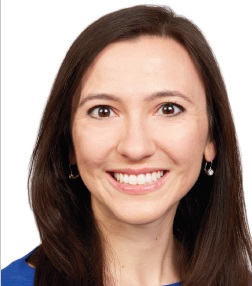
(me outside Kingcome school, beside the health center, one of the communities I worked with)

One thing I find very interesting about our profession is that it seems to be more than a job. Many dietitians like Bronwyn have careers or are advancing their education and then try to find 'spare-time' to start private practices and share more of their knowledge, expertise, and passion. We seem to always be dietitians, whether we're punching the clock or not, but being a dietitian may mean being a 'counsellor' or myth-buster, not just a food and nutrition expert. We also see the value in preventative health care which will be very important as we look to the future and the burden on our health care system when it becomes time for treatment, especially when many of the chronic conditions people like Bronwyn work with have lifestyle and nutrition components involved in risk reduction.

Why did you become a RD?

I became a dietitian after starting university in creative writing and feeling very unsatisfied. I’d been interested personally in food and nutrition since starting long distance running in high school and discovering how powerful food can be in our health. I started taking science and nutrition courses and there was no going back.

What area of dietetics do you work in?

I work in primary health care. The main focus of my practice is working with adults who have chronic diseases – everything from chronic pain or COPD (Chronic obstructive pulmonary disease) to diabetes, heart disease and even eating disorders.

I am also trying/attempting – in my limited free time between work, school and social activities – to start some private practice work, but it’s slow going!

How would you explain what you do?

Simply put I usually say I talk to people about food and nutrition.

What are your ‘typical’ daily/weekly tasks?

Typically my week is a mix of seeing clients one-on-one, creating presentations and presenting on nutrition issues such as label reading, or diabetes. In between is finding time for paperwork, getting a hold of follow up clients and things like that. I only work three days a week currently, and am working on a distance graduate program on my days off.

What has been your career path?

My first job was in a rural part of Vancouver Island, called the Mt. Waddington Region. I worked as the primary health and community dietitian; basically I covered everything nutrition related not in the hospital. On top of duties similar to my current job I also worked with a Canadian Prenatal Nutrition Program creating healthy and yummy recipes for pregnant women and new moms while also trying to create fun activities that educated them on healthy eating for them and their baby. I also worked a lot with many Aboriginal communities; even flying into isolated communities on islands and the coast of BC. It was an extremely all around adventurous job! I tell everyone to take a rural position if they can because you can really make the job anything you want.

What advanced education or special training do you have?

I’m currently doing a Master of Adult Education through St. Francis Xavier University. I love it! I never thought I’d go back to school, but this program is so fantastic.

In an ideal world, what does the industry look like 5 years from now?

Hmmm. I’d love to see more dietitian jobs being created in our health authorities, especially full time jobs. I’d love these to also be in the preventative areas such as primary health, or public health for example. I’d love for RD services to be covered by more extended health care programs so that RDs can have private practices and nutrition services can still be accessible to everyone. We know nutrition is so key to our lives and health, let’s show it through supporting the work of RDs!

What misinformation about RDs would you like to clear up?

I’ve seen so many folks write this but WE ARE NOT THE FOOD POLICE. I’ve had friends say they didn’t want to sit in front of me when we’re out to eat; where I’ve laughed and told them I am totally eating french fries so NO JUDGEMENT.

What would you like people to know about RDs?

We are all unique; yes we all work from a science and evidence based background but each of us has a different approach and works from a different food philosophy. Find one of us to work with that you get along with; want vegetarian or vegan nutrition? There’s an RD for that. Interested in improving your sports performance? There’s an RD for that. Not interested in being scolded for your weight? There’s an RD for that! We are a diverse group of people, with our own unique way of providing sound evidenced based nutrition information.

What are challenges you encounter as a RD?

It can be really challenging to fight the misinformation that exists out there. If I had a dollar for every nutrition consultation that began with, “Well I’ve been cutting back on bread…” no matter what their health issue I’d be pretty darn rich! It feels like a daily battle to try and fight the food fads, the fear mongering around food and health and the unscientific mumbo-jumbo that permeates our media these days.

What are you passionate about in dietetics?

I love helping people feel empowered and happy around food. I work with so many women (and men) who are chronic dieters, and are so sure one more diet will help them lose weight/cure their diabetes/end all their health woes. Sadly a lot of societal messaging reinforces this idea for them. Helping them break away from the eternal guilt and stress that surrounds their every food choices is what brings me joy in my work.

What is your favourite meal?

How do you choose one? I love all meals, I’ve never been able to understand people who miss a meal!

More about Bronwyn:

Twitter: @BronwynCoyneRD
Website: Bronwyn Coyne, RD
Blog: Baking on the Side
Instagram: @mzbronwyn
Linkedin: Bronwyn Coyne


Thanks Bronwyn! Find out more about What RDsDo.

If you're a dietitian that would like to be featured, email me for the details!